

Mexican Fan Palm
A Santa Monica Icon
The majestic Mexican Fan Palm (Washingtonia robusta) is a quintessential element of the Santa Monica landscape, its towering presence a familiar sight throughout the city. Its ability to thrive in Santa Monica’s unique Mediterranean climate, combined with its adaptability to urban conditions, has cemented its popularity among both professional landscapers and home gardeners. But what makes this palm species so well-suited to our region, and how can you ensure its success in your own yard?
Santa Monica’s Mediterranean Microclimate and the Mexican Fan Palm
Santa Monica enjoys a Mediterranean climate characterized by warm, dry summers and mild, wet winters. Specifically, the city receives approximately 14 inches of rainfall per year, concentrated primarily from November to April. Summers are typically dry and sunny, with average highs ranging from the mid-70s°F to low 80s°F (mid-20s°C to high 20s°C). Winters are mild, with average lows rarely dipping below freezing. This relatively mild and predictable climate, falling within USDA Hardiness Zones 10b-11 (15°F to 30°F or -9°C to -1°C), provides near-ideal conditions for the Mexican Fan Palm.
The palm’s native range extends across the Baja California Peninsula and into southwestern Mexico, encompassing coastal regions with similar climatic conditions to those of Santa Monica. This shared environment contributes significantly to the palm’s ease of cultivation here. Key attributes contributing to its success include:
Care and Maintenance of Mexican Fan Palms in Santa Monica
To cultivate a healthy and thriving Mexican Fan Palm in Santa Monica, follow these guidelines:
1. Watering: Deep, infrequent watering is preferable to frequent shallow watering. During the hot summer months (May-October), water the soil deeply once or twice a week, allowing it to dry slightly between waterings. Reduce watering frequency to once a month or less during the cooler winter months (November to April), adjusting it based on rainfall and soil moisture levels. Newly planted palms will require more frequent watering to establish a robust root system.
2. Fertilizing: Feed your palm with a balanced, slow-release fertilizer formulated for palms, such as a 10-10-10 or 15-15-15 formulation. Apply fertilizer during the growing season (March-September) and follow the product’s instructions carefully. Avoid over-fertilizing, as this can lead to nutrient burn and other issues.
3. Pruning: Regular pruning is essential to maintain the palm’s aesthetic appeal and promote healthy growth. Remove dead or dying fronds near the trunk with sharp, clean pruning tools. Avoid removing too many fronds at once, as this can stress the palm. Proper pruning techniques should also be employed to prevent damage to the palm’s crown shaft. Professional arborists are recommended for large-scale trimming.
Landscaping and Design Considerations
The Mexican Fan Palm’s tall, slender profile and relatively rapid growth rate make it a versatile addition to Santa Monica landscapes. Its graceful form provides vertical interest, particularly valuable in smaller yards or courtyards. The mature palm’s canopy provides some shade, which is beneficial for homes with south-facing walls.
When incorporating a Mexican Fan Palm into your landscape design:
1. Site Selection: Choose a location with full sun exposure for optimal growth. While tolerant of partial shade, it thrives best in sunny conditions.
2. Soil Preparation: Ensure well-draining soil, and amend heavy clay soils with organic matter to improve drainage. A soil pH between 6.0 and 7.5 is ideal.
3. Spacing: Allow ample space for the palm’s mature size; they can reach heights of 50-80 feet (15-24 meters) and a similar spread.
4. Companion Planting: Consider complementary plants that tolerate similar growing conditions, such as drought-tolerant succulents, California natives, or other Mediterranean-climate plants like agave or bougainvillea.
Historical Context in Santa Monica
The Mexican Fan Palm has been a fixture in Santa Monica’s urban landscape for over a century, contributing significantly to the city’s distinctive character. Its widespread use in residential and public landscaping during the mid-20th century solidified its place as an iconic symbol of the region. Today, one can still admire mature specimens that grace streets like Ocean Avenue, showcasing their historical significance and enduring aesthetic value.
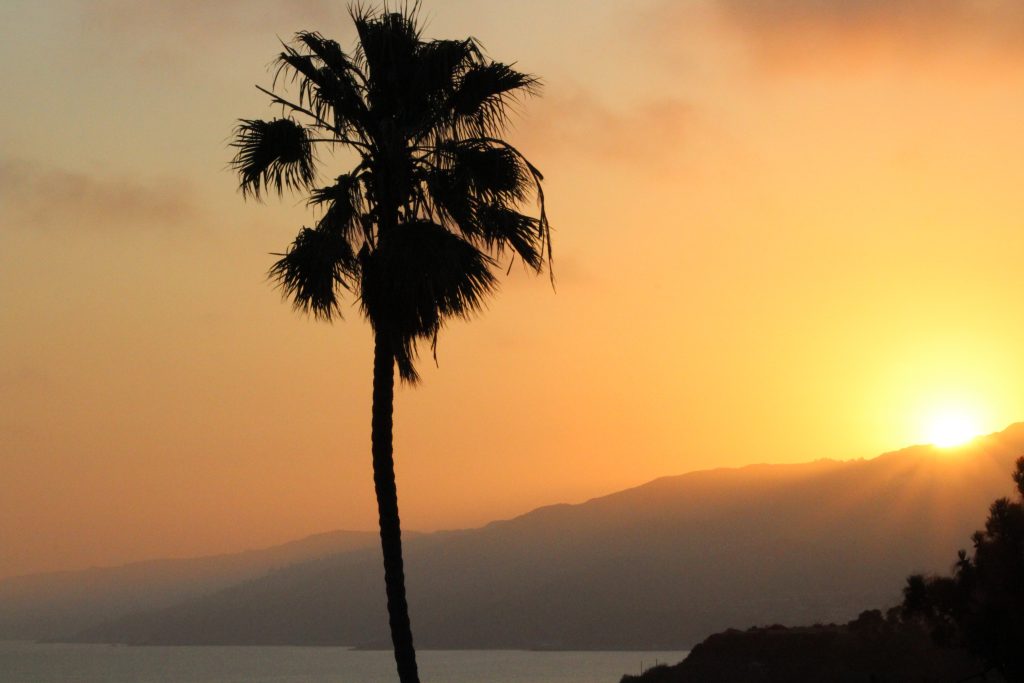
The Mexican Fan Palm’s adaptability, drought tolerance, and aesthetic appeal make it a remarkably suitable choice for Santa Monica gardens. By understanding its needs and potential challenges, homeowners can enjoy the beauty and elegance this magnificent palm brings to the local landscape for years to come.